"No jargon. No over-engineering. Just practical insights, tools, and examples to help organizations reduce waste, improve efficiency, and take meaningful steps toward sustainability."

Case Study

Pre-launch zero-waste planning for the Food & Beverage sector

The most affordable way to solve a waste problem is to prevent it in the first place.

Coffee and dessert on a table with a rustic background

Case Study

A specialty coffee shop and wine bar was getting ready to open in an urban neighborhood. They planned to serve locally sourced coffee and wine from women-owned wineries, showing a real commitment to zero-waste operations from the start.

25 tons

Projected annual waste

71%

Starting diversion rate

90%

Achievable within 2 years

The situation

The owner wanted sustainability to be part of the business from day one. The challenge was that there was no operational data yet: no purchase records, no waste hauler history, and no track record. All they had was a concept, a space, and a set of values that needed a practical plan.

The owner also had to deal with the usual new business challenges: a tight budget, a small team handling many tasks, and new local sustainability rules.

The approach

When you don't have operational data, you start with what you do have. We used proxy data from similar food and beverage businesses to estimate waste generation and diversion patterns. This gave us a solid, quantitative baseline before the first cup of coffee was served.

The model covered four areas: Rethink/Redesign, Reduce, Reuse, and Recycle & Compost. We built it separately for the coffee shop and wine bar, then combined the results. Stakeholder mapping included both suppliers and haulers.

The result was something most new businesses don't have at the start: a clear idea of where waste would come from, what it would cost, and where the most effective changes could be made - all before habits and systems were set.

What the analysis found

The baseline model projected about 25 tons of annual waste for both operations. Two gaps stood out right away:

Organics were the biggest missed opportunity. Coffee grounds, food scraps, and compostable materials were expected to make up about 4.7 tons a year from the coffee shop alone, all going to landfill under the default setup. There was no composting infrastructure or pickup service in place.

Source waste reduction was at zero. There were no purchasing policies, reuse incentives, or vendor requirements yet. This gave the business a rare chance to build these in from the start, instead of trying to add them later when the operation was already running.

Even with these gaps, the model showed a 71% diversion rate, thanks to recycling already in place. This gave a strong starting point and a realistic path to reach 90% within two years.

Recommendations

We organized the recommendations into three practical tracks for the first year: Policy, Programs, and Infrastructure. Each was designed for a new business with limited resources.

Policy

Set a zero-waste goal (90% diversion by 2027), add green purchasing requirements, and train staff on waste separation from the beginning.

Programs

Use compostable foodware, reward customers for reusing items, schedule annual waste audits, and explore zero-waste zones with neighboring businesses.

Infrastructure

Begin with compost pickup, then adjust bins as needed. Install a filtered water system to reduce single-use plastic bottle waste.

The takeaway

Don't wait for a waste problem to grow. Reach out now to start building your zero-waste plan.

It's much easier and cheaper to get clear on waste before habits form and systems are set, rather than making changes after your business is already running. The proxy-based approach we used here works not just for food and beverage, but also for retail, creative studios, light manufacturing, and most small businesses that need a waste baseline but don't have historical data.

This project was part of the Zero Waste Associate certification process, using a real business and real planning context. We'll track operational outcomes once the business opens.

Blog

The hidden cost of waiting: why fixing waste after launch costs more than before

How a small decision before launch becomes an expensive problem after it.

Silvia Petrova | June 2026

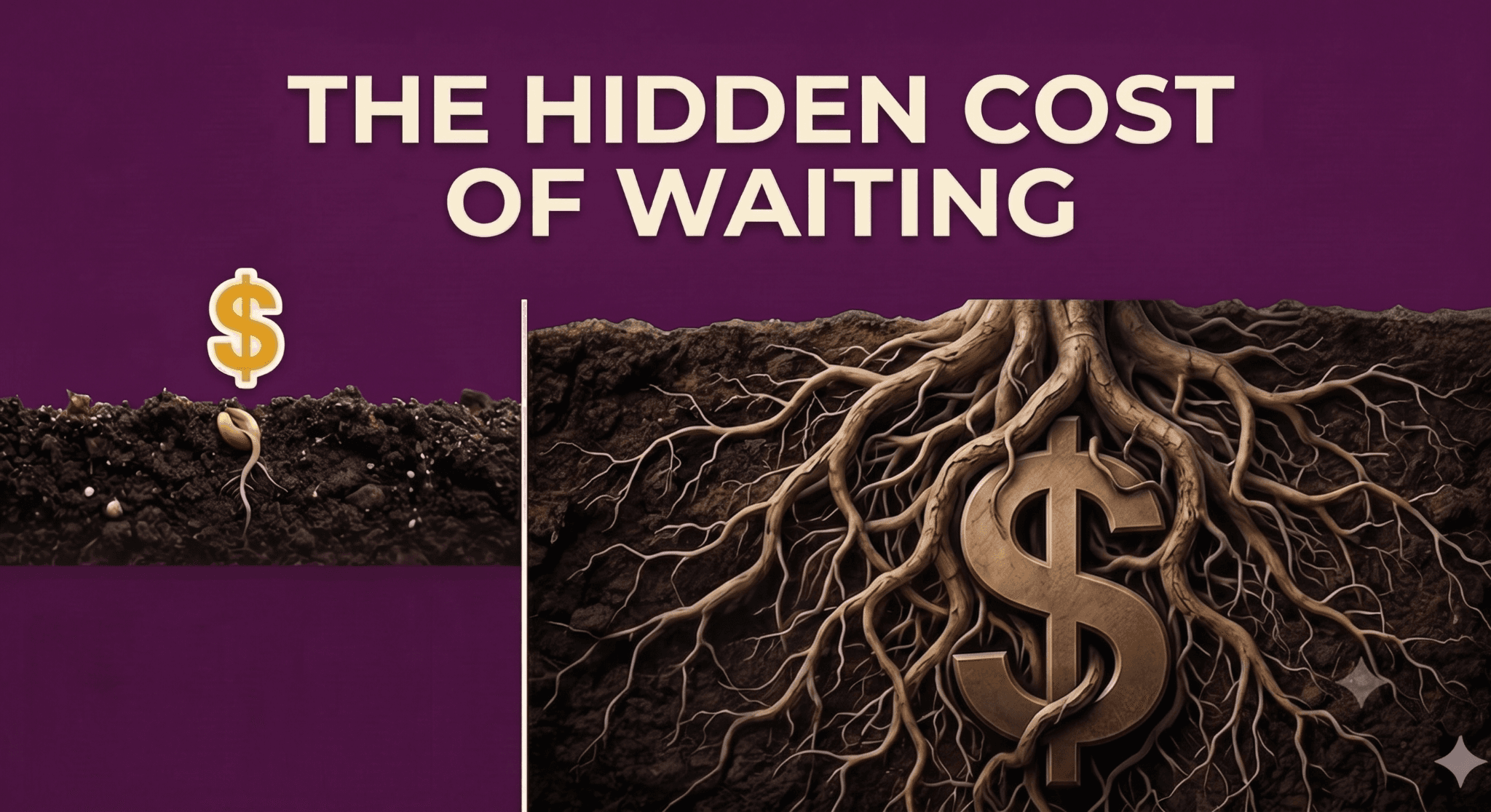
Purple banner with the words The hidden cost of waiting

A local bakery or cafe opens nearby. The croissants are fresh, the atmosphere is great, and the owner is busy building the business. Six months later, the trash bill arrives. It was supposed to be $100 a month, but it’s $500. The hauler doesn’t accept compostable cups. Staff put everything in the same bin because no one told them otherwise. Changing things now means retraining, renegotiating, and explaining to regulars why things are different.

The owner tells themselves that things will get better. And the business does improve. But the waste and the bill keep growing, too.

The problem isn’t the waste itself. The problem is that the system is already set.

Once a business is running, three things make waste harder and more expensive to fix: habits are set, infrastructure is fixed, and every change now comes with a visible cost, whether it’s disruption, money, or lost momentum.

Before a business opens, none of that has happened yet. Purchasing policies, vendor agreements, packaging choices, and staff onboarding are all still being decided. That window is short, and most owners don’t realize it until it’s already closed.

Planning early doesn’t mean writing a 40-page sustainability report. It means asking three questions before you choose your vendors, packaging, and waste hauler: Where will the waste come from? What will it cost if you don’t manage it? What’s the simplest fix at each step?

For a new coffee shop and wine bar that followed this process, answering these questions before opening day created a clear baseline, practical policies, infrastructure investments, and a realistic path to 90% waste diversion. These steps were built in from the start, not added later.

Businesses that find waste management expensive are usually the ones that only think about it after opening. The ones who don’t worry much about it are those who talked about it early on.

If waste is costing you more than you realize, let’s figure out exactly where and what you can do about it.

Free Resources

What is zero waste?

Free Resource

What is zero waste? A plain-language guide for small businesses

9 slides. No jargon. Practical examples for cafés, retail, and service businesses.

Resource will be sent to the email provided in the next 24 hours.

No spam. Unsubscribe any time.